Mostly True
ASAN, South Chungcheong Province — Asan is moving to reinvent itself as a specialized complex for semiconductor back-end processing, a pivot the city frames as the next chapter beyond the 46-trillion-won HBM investment story that has anchored the region's chip ambitions. A review of the claim against the public record — 12 primary sources, including the city's own official communications — finds the substance sound, with caveats on how far the narrative runs ahead of what is formally secured.
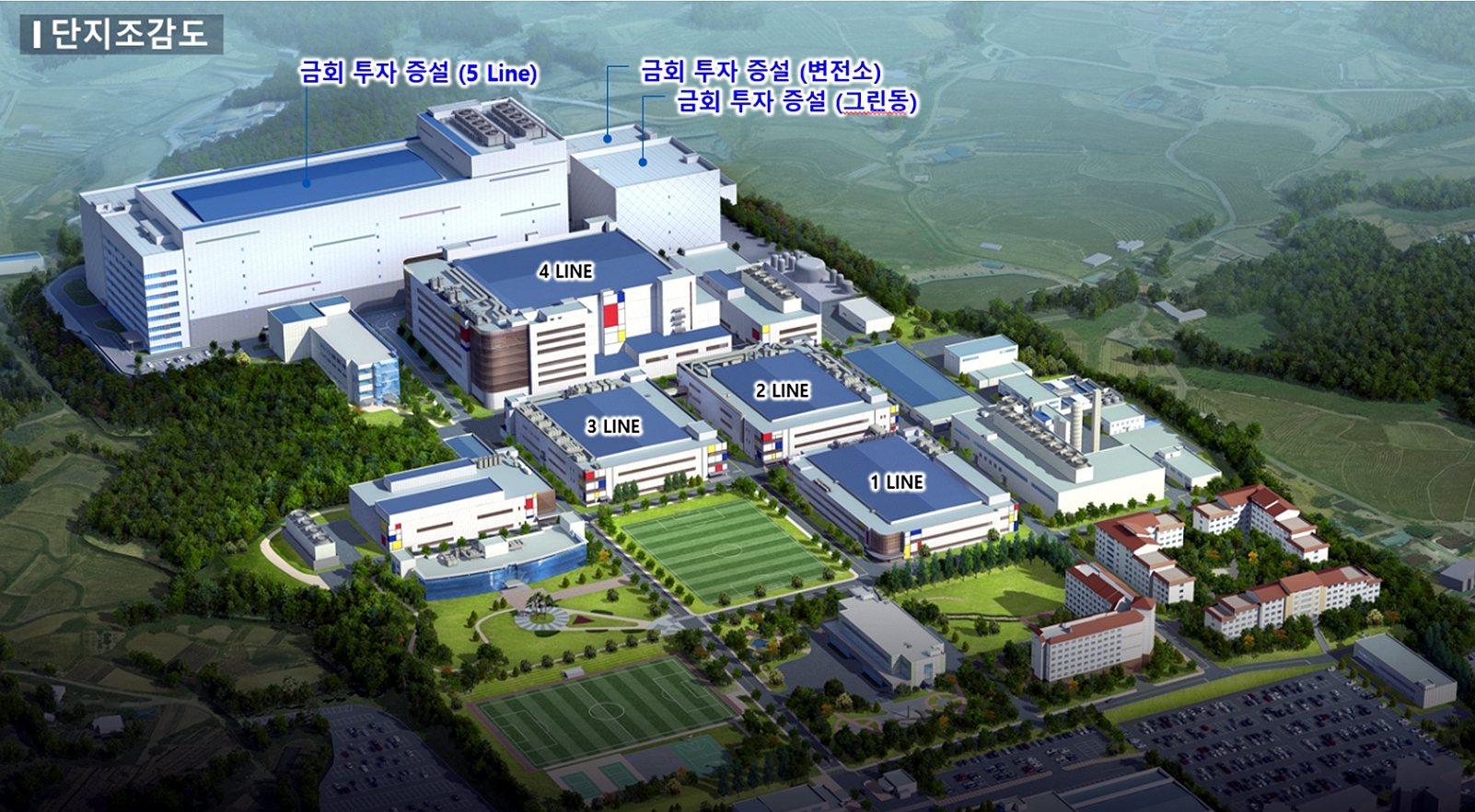
The claim centers on a deliberate shift in identity: away from being a waypoint in the headline-grabbing 46-trillion-won HBM investment drive, and toward hosting the packaging, assembly and test stage that turns finished wafers into shippable memory products. That stage, the back-end process, has taken on outsized strategic weight as HBM — the high-bandwidth memory feeding the AI buildout — depends less on cutting-edge lithography alone and more on advanced packaging techniques. For a mid-sized city on Korea's chip belt, specializing in this stage is presented as a realistic route into the semiconductor value chain.
The city's repositioning is not rhetorical spin: official municipal materials document the push for a back-end specialized complex, and the strategy aligns with the broader policy trend of designating region-specific semiconductor clusters rather than concentrating all fabrication spending in a few flagship sites. What the documented record does not yet fully support is the leap framing. The cluster build-out remains directional rather than complete, and folding Asan's prospects into the 46-trillion-won figure compresses a wider regional investment story into a single city's ledger.
On the balance of that record, the claim that Asan is riding the 46-trillion-won HBM wave toward a semiconductor back-end specialized complex is Mostly True.