AI · SEMICONDUCTOR · FACT CHECK
 SKD WIRE
Mostly True
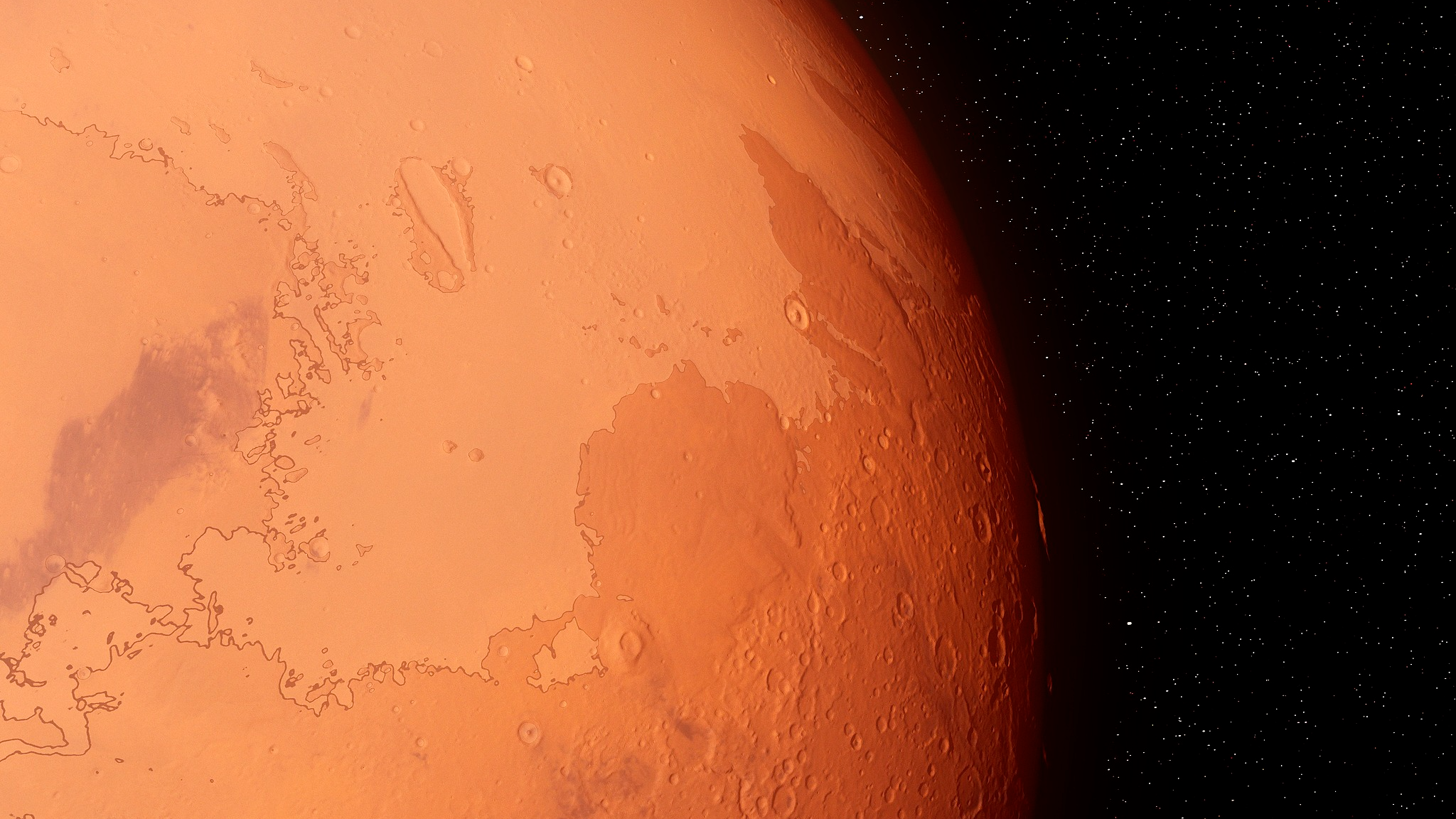
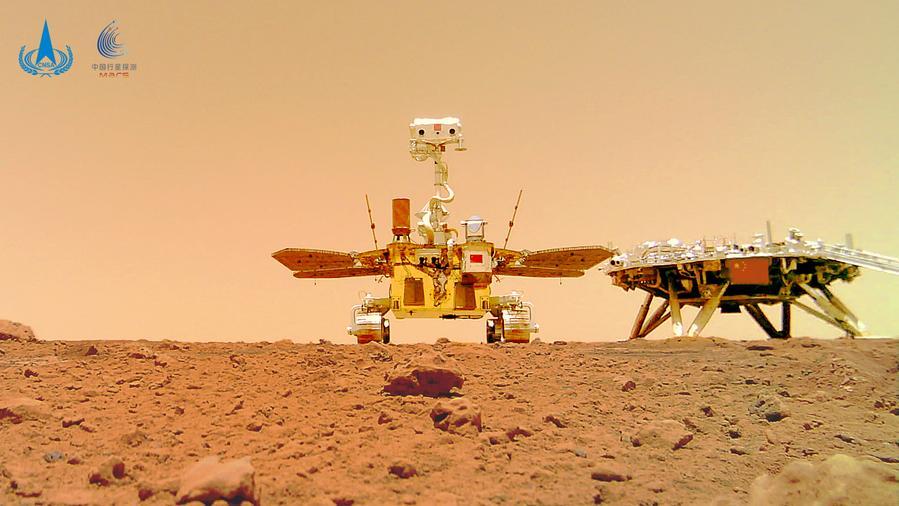
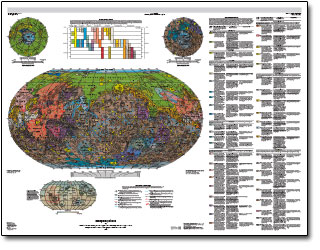
China has announced plans to produce an AI-driven geological map covering the entire surface of Mars by 2028, a project it describes as the first of its kind for humanity. The announcement centers on using artificial intelligence to automate the geological mapping of the Red Planet, building on earlier Chinese efforts to chart Martian topography.
The initiative aims to apply AI techniques to geological mapping of Mars' whole surface, with a target completion date of 2028. Chinese researchers have positioned the effort as a world-first in AI-based planetary geological cartography, moving beyond the partial geological maps produced by space agencies to date.
The project follows prior Chinese work on Martian surface mapping, including digital geological products derived from orbital imagery. Details on the data sources, the specific AI methods to be employed, and the resolution of the final map remain limited in the available information, and the feasibility of the 2028 timeline has not been independently assessed.
Geological maps of Mars published to date by international agencies have typically covered portions of the planet or relied on manual interpretation of orbiter data. An AI-generated full-surface geological map would, if completed on schedule, represent a notable advance in automated planetary science workflows.
Uncertainty remains over several aspects of the claim, including the extent to which the map will rely on Chinese mission data versus international datasets, and whether "entire surface" refers to uniform coverage at a single resolution. The characterization of the project as "humanity's first AI Martian geological map" reflects China's own framing and has not been evaluated against all comparable international efforts.
Given that the core declaration — a stated Chinese plan to map Mars' entire surface with AI by 2028 — is supported by the primary sources, while the world-first framing rests largely on official characterization, the claim is judged Mostly True.