AI · SEMICONDUCTOR · FACT CHECK
 SKD WIRE
Mostly True
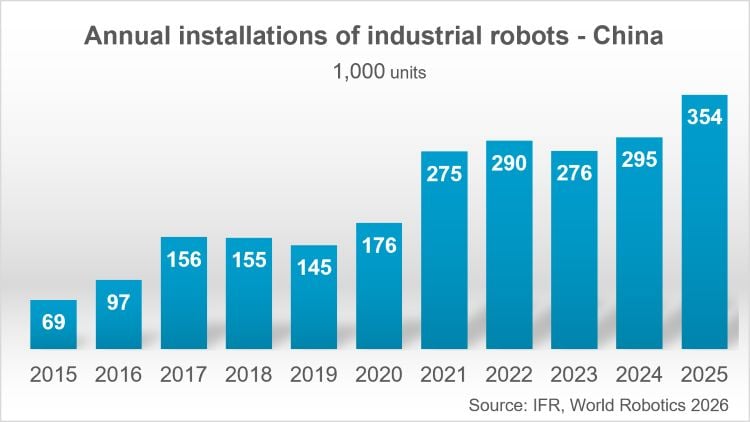
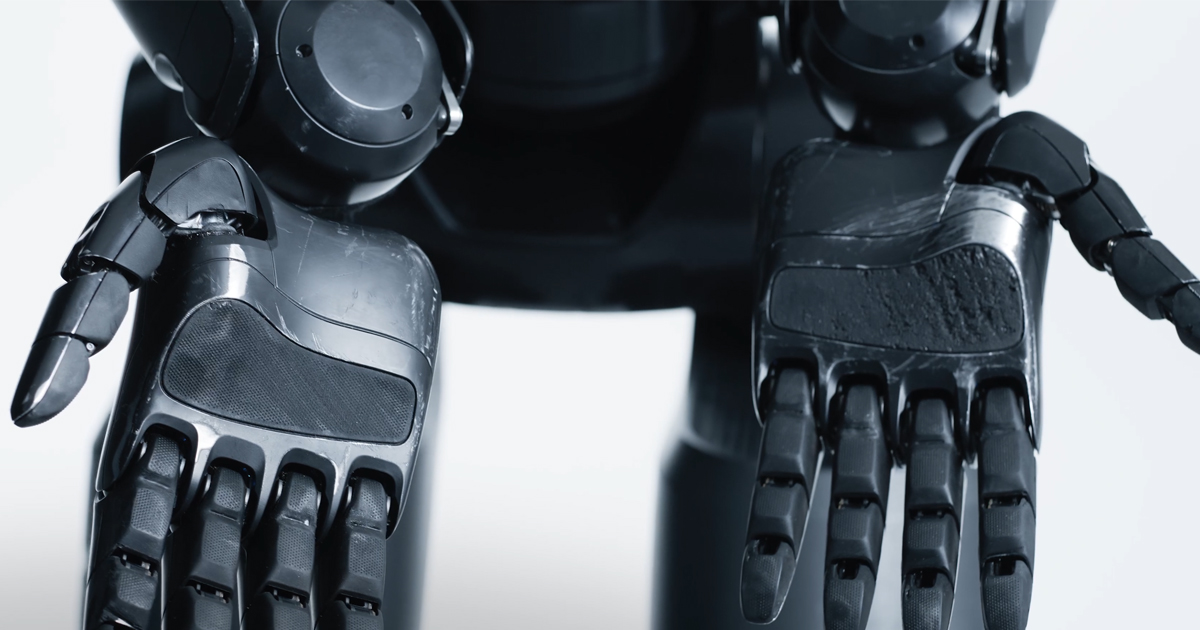
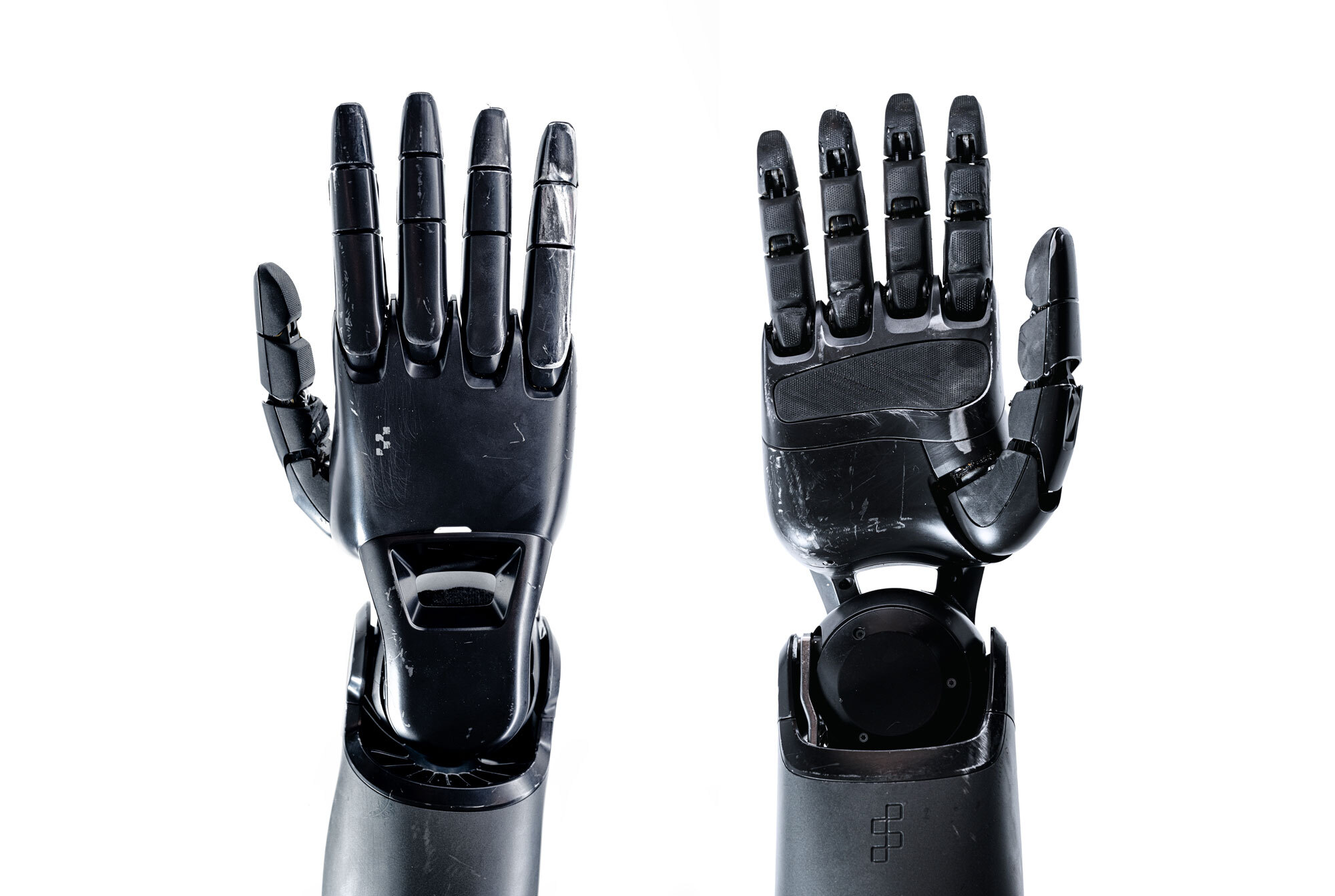
A new fault line is opening in the global AI race, with the United States leading in intelligence-layer AI — models, chips and software — while China leverages its manufacturing base to push into "physical AI": robots and embodied systems built in the world's factory. The competition is shaping up as a contest of American brains against Chinese brawn, with the winner set to swallow a growing share of the global manufacturing economy.
The United States has consolidated its strength in the cognitive layer of AI, from large language models to the semiconductors that power them. China, by contrast, is betting that the next decisive battleground is hardware that moves — industrial and humanoid robots — where its enormous production capacity gives it scale advantages no other country can match.
Unlike AI that lives in chatbots or data centers, physical AI embeds intelligence into machines that operate in the real economy: factory floors, logistics, and assembly lines. Whoever dominates this field stands to absorb value across the global manufacturing sector, which is why both Washington and Beijing treat it as a strategic priority.
The claim frames the contest as a clean split — US intelligence versus Chinese muscle — but the picture on the ground is less tidy. China is investing heavily in AI models of its own, and US hardware manufacturing capacity remains limited, leaving both sides with vulnerabilities. How quickly either camp can close its gap remains uncertain.
As the two superpowers pour resources into embodied systems, the outcome of this brains-versus-brawn contest will shape the industrial map for decades.
Verdict: Mostly True