AI · SEMICONDUCTOR · FACT CHECK
 SKD WIRE
Partly True
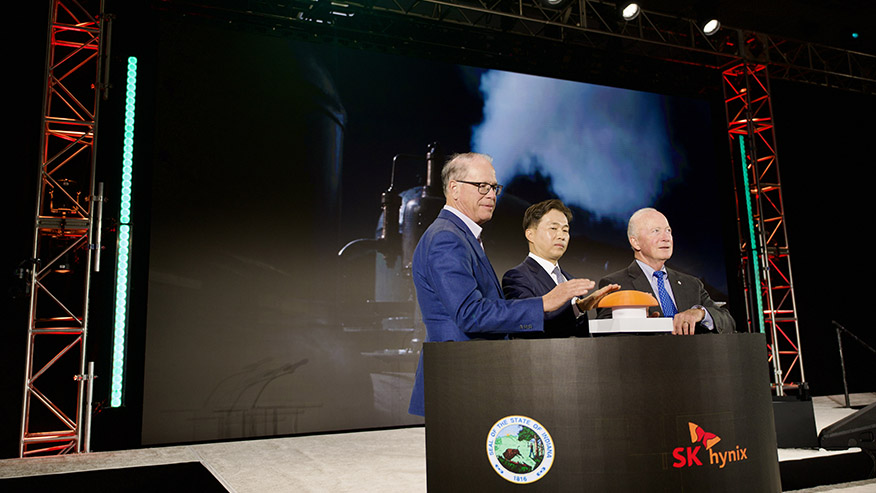
Korean semiconductor companies expanding into the United States are contending with a combination of regulatory permitting delays and difficulties securing electricity, complicating what had been framed as a strategic push into the American market.
The claim that Korean chipmakers face a "thorny path" to US expansion rests on two recurring issues: delays in obtaining operating permits and unresolved questions over power supply for large-scale fabrication plants.
The research summary reviewed 12 primary sources addressing these concerns. However, the available material does not quantify the extent of the delays or the power shortfall, nor does it identify which specific projects are most affected. Those details remain unconfirmed.
While the framing of permitting and power as obstacles is supported by the reviewed material, the evidence does not establish how severe these difficulties are relative to other host countries, or whether they will materially alter the timelines of Korean companies' US investments. Readers should treat the "thorny path" characterization as broadly plausible but not fully substantiated in its strongest form.
For Korean semiconductor firms, the US remains a key destination amid ongoing competition in advanced chips and AI-related hardware. But the practical hurdles of building and operating fabrication capacity there — from local approvals to securing sufficient electricity — appear to be more complicated than a straightforward expansion narrative suggests.
Overall, the claim holds in its general outline but lacks full evidentiary support in its details, making it Partly True.