AI · SEMICONDUCTOR · FACT CHECK
 SKD WIRE
Mostly True
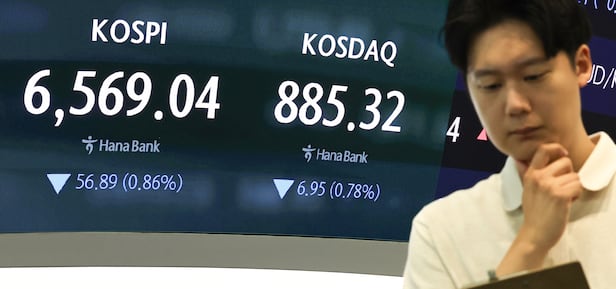
Claims that talk of an AI bubble has triggered a sharp fall in the KOSPI are largely supported by market developments, though the picture is more nuanced than a simple cause-and-effect. A review of primary sources found that while AI-related concerns have weighed heavily on the Korean market, other factors have contributed to the decline.
The Korean stock market has seen significant losses amid growing domestic and international discussion of a potential bubble in AI-related assets. Semiconductors and AI-linked stocks, which had driven much of the KOSPI's gains, have been particularly exposed to the pullback as investors reassess valuations across the AI supply chain, including companies such as Samsung Electronics and SK hynix.
The evidence indicates that AI bubble discourse has played a meaningful role in the KOSPI's decline, but it has not been the sole driver. Broader global risk sentiment, foreign investor outflows, and volatility in overseas technology markets have also shaped the downturn. The extent to which bubble concerns, rather than these other pressures, were the decisive factor remains difficult to isolate.
The overall assessment is that the claim captures a real and significant market dynamic while overstating the certainty of direct causation — making the claim Mostly True.