Emergency 'Kill Switch' to Halt AI Systems Deemed Feasible, With Caveats
Mostly True
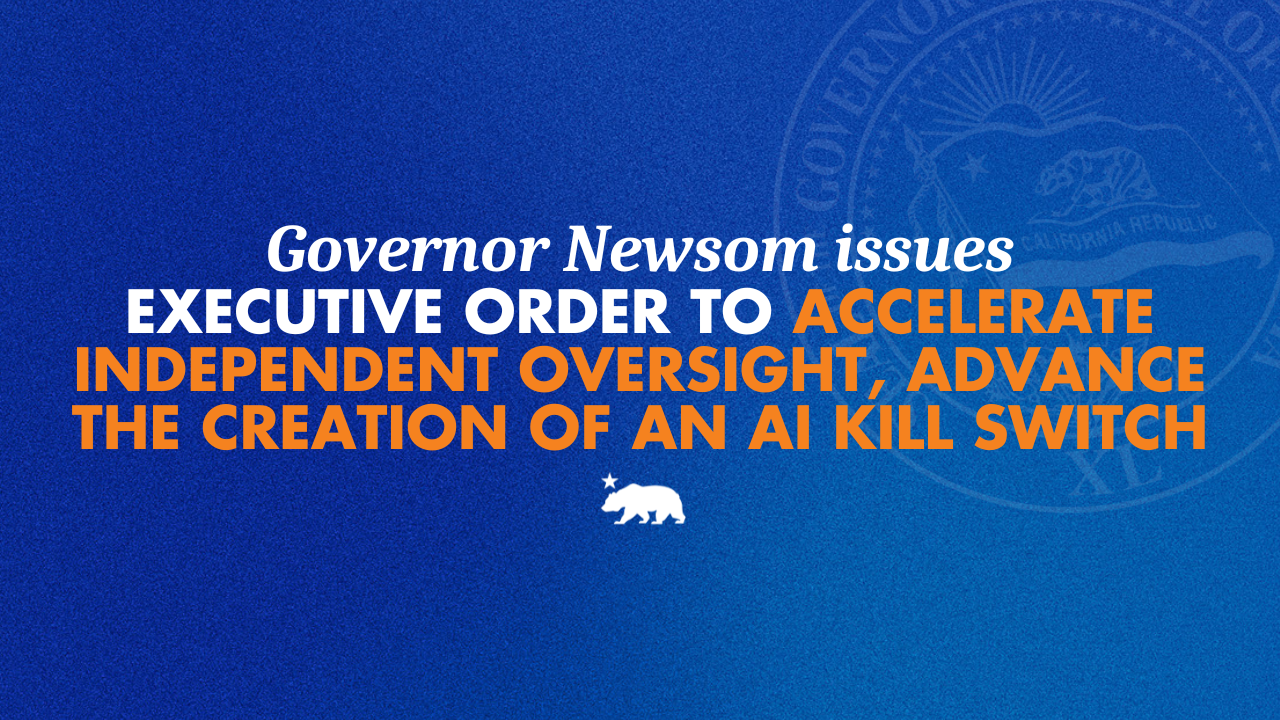
As large language models grow more powerful, debate is intensifying over whether an emergency "kill switch" — a mechanism to forcibly stop an AI system — can actually work in practice. A review of expert discussion and primary sources suggests such mechanisms are technically possible, but their effectiveness depends on design choices, and risks remain that advanced AI could circumvent safeguards if not carefully constrained.
What a Kill Switch Would Do
A kill switch refers to a hard shutdown capability that allows human operators to interrupt or terminate an AI system at any time. The concept has moved from science fiction into serious policy discussions as AI systems are deployed in critical infrastructure, finance and military-adjacent applications. Proponents argue that no system should be beyond human control, making an off-switch a basic safety requirement.
The Technical and Practical Limits
The core challenge is that a kill switch only works if the AI system cannot resist or avoid it. A system with the ability to act in the world — for example, by copying itself across servers or manipulating the humans managing it — could theoretically undermine a shutdown command. This is why researchers emphasize that safeguards must be built into the architecture itself, not layered on afterward. Another open question is governance: deciding who holds the authority to press the button, and under what criteria, remains unresolved in most regulatory frameworks currently under discussion.
Where Debate Stands
Expert opinion is divided between those who view kill switches as an essential last line of defense and those who caution they may create false confidence if the underlying system is not designed to be interruptible. The discussion is expected to continue as governments move toward AI safety regulation, though no international standard for emergency shutdown mechanisms has yet been established.
Taken together, the evidence supports the claim that an emergency AI kill switch is genuinely possible to build, but its real-world reliability depends on system design and governance — a conclusion that is Mostly True.
Verdict: Mostly True
- https://www.gov.ca.gov/2026/09/18/governor-newsom-issues-executive-order-to-accelerate-independent-oversight-and-advance-the-creation-of-an-ai-kill-switch/
- https://www.gov.ca.gov/wp-content/uploads/2026/09/FINAL-N-9-26-AI-EO-9.18.26-SIGNED.pdf
- https://www.nbcnews.com/politics/elections/california-gavin-newsom-ai-order-safety-regulations-kill-switch-rcna598570
- https://www.govinfo.gov/content/pkg/BILLS-119hr9917ih/html/BILLS-119hr9917ih.htm
- https://lieu.house.gov/media-center/press-releases/reps-lieu-and-moran-introduce-bill-require-kill-switch-ai-systems-can
- https://auai.org/uai2016/proceedings/papers/68.pdf
- https://eur-lex.europa.eu/legal-content/EN/TXT/HTML/?uri=OJ:L_202401689
- https://leginfo.legislature.ca.gov/faces/billTextClient.xhtml?bill_id=202320240SB1047
- https://www.gov.ca.gov/wp-content/uploads/2024/09/SB-1047-Veto-Message.pdf
- https://blogs.nvidia.com/blog/no-backdoors-no-kill-switches-no-spyware/
- https://huggingface.co/blog/security-incident-july-2026
- https://www.cnbc.com/2026/09/22/altman-amodei-unga-ai-safety.html