AI · SEMICONDUCTOR · FACT CHECK
 SKD WIRE
Mostly True
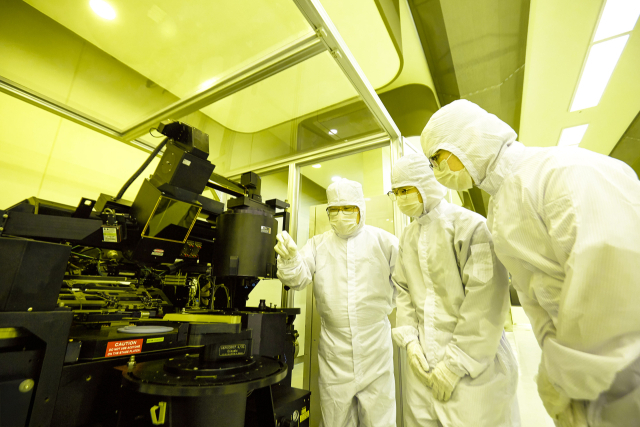
Applications to South Korean junior colleges have continued to grow even as 'zero tuition' (등록금 0원) programs have spread widely, with new data showing student demand clustering heavily in health care, AI and semiconductor-related departments rather than spreading evenly across fields.
Colleges accepting government-backed tuition support have seen enrollment interest hold firm, but the increase is not evenly distributed. Departments tied to the semiconductor and AI industries and health care fields are drawing the largest share of applicants, while other majors have not seen the same gains.
The pattern points to a 'shrinkage' (쏠림) effect: students appear to be choosing vocational-track junior colleges less for the free tuition itself and more for the promise of employment in sectors with strong hiring pipelines, such as chip manufacturing and medical services.
The spread of zero-tuition schemes was expected to lift applications across the board. Instead, the data suggest the subsidy works mainly in combination with industry demand — colleges located near semiconductor fabs or offering health care tracks benefit most, while programs in oversaturated fields see little uplift from free tuition.
Whether the concentration will ease as AI and semiconductor hiring cycles shift remains to be seen, and no long-term projections were included in the available data.
Taken together, the evidence shows junior college enrollment is indeed rising despite zero-tuition programs — but the growth is narrowly concentrated in health, AI and semiconductor fields — making the claim Mostly True.