AI · SEMICONDUCTOR · FACT CHECK
 SKD WIRE
Mostly True
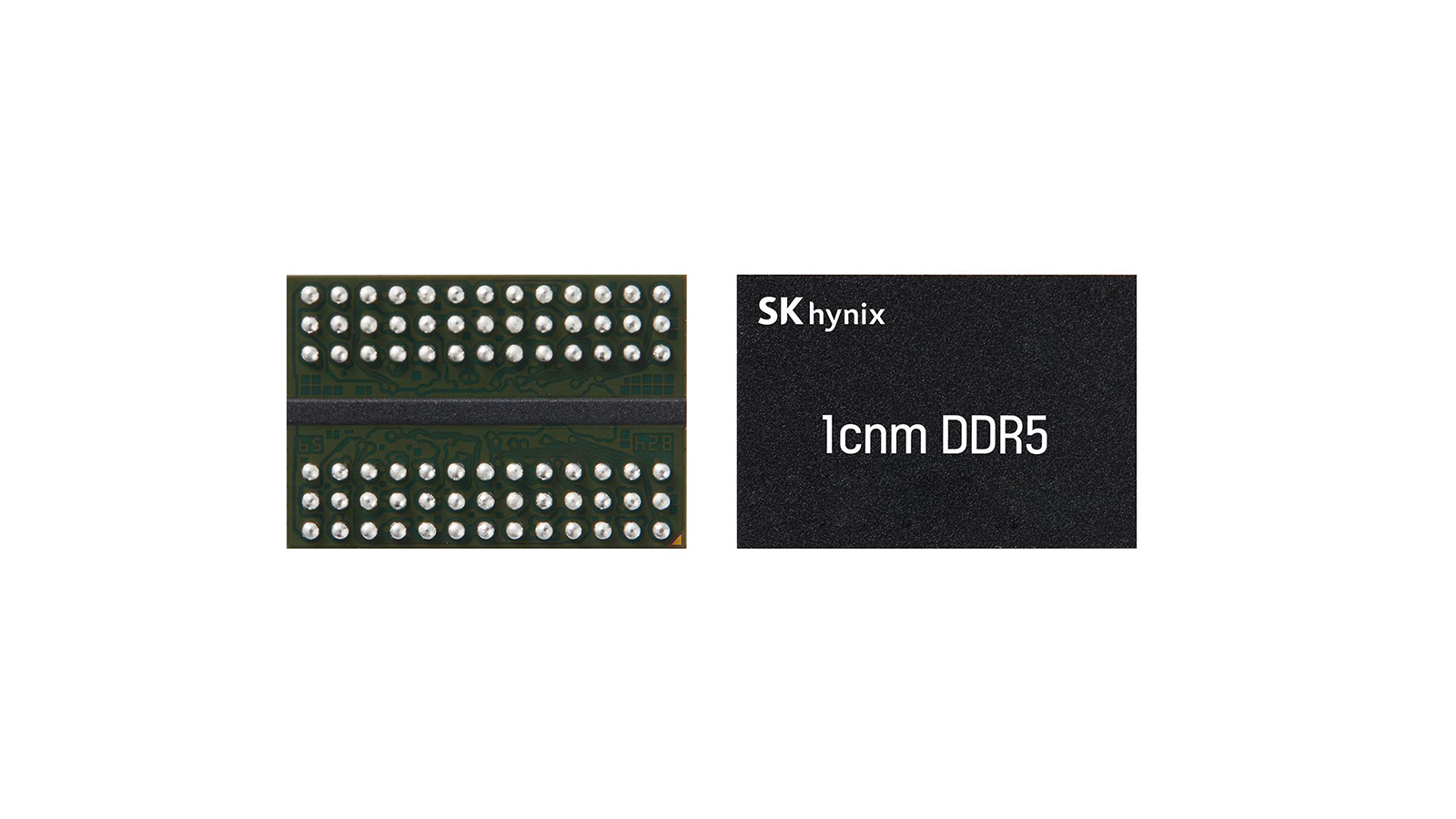
Prices of legacy DDR4 memory are climbing sharply as the industry's resources tilt heavily toward high-bandwidth memory (HBM) for AI applications, leaving conventional DRAM supply constrained and buyers scrambling.
Memory makers, led by Samsung Electronics and SK hynix, have been shifting capacity toward HBM to serve AI accelerator demand. That concentration has tightened the supply of older-generation DRAM, and DDR4 — long considered a commodity product in decline — has seen prices spike as a result.
With production lines increasingly committed to HBM and advanced DDR5 output, the portion of capacity available for DDR4 has shrunk. The result has been a rapid run-up in DDR4 contract and spot prices, hitting PC makers and other customers who still depend on the legacy standard.
The broader dynamic — AI-driven HBM demand absorbing fabrication capacity at the expense of conventional memory — has been the central driver behind the sudden DDR4 surge.
The claim that the HBM tilt is now dragging even legacy DDR4 into a price surge is Mostly True.
Verdict: Mostly True