Mostly True
SEOUL — The argument over putting a regulatory brake on the pace of artificial intelligence development has traveled far beyond the courtroom, reaching the United Nations Security Council, according to a claim examined in a fact-check completed Sept. 21, 2026. This desk's review tested whether the "AI speed control" debate — proposals to slow or govern how quickly AI systems are built and released — has genuinely expanded from antitrust litigation to the Security Council, or whether the two threads were being stitched into a single, outsized narrative.
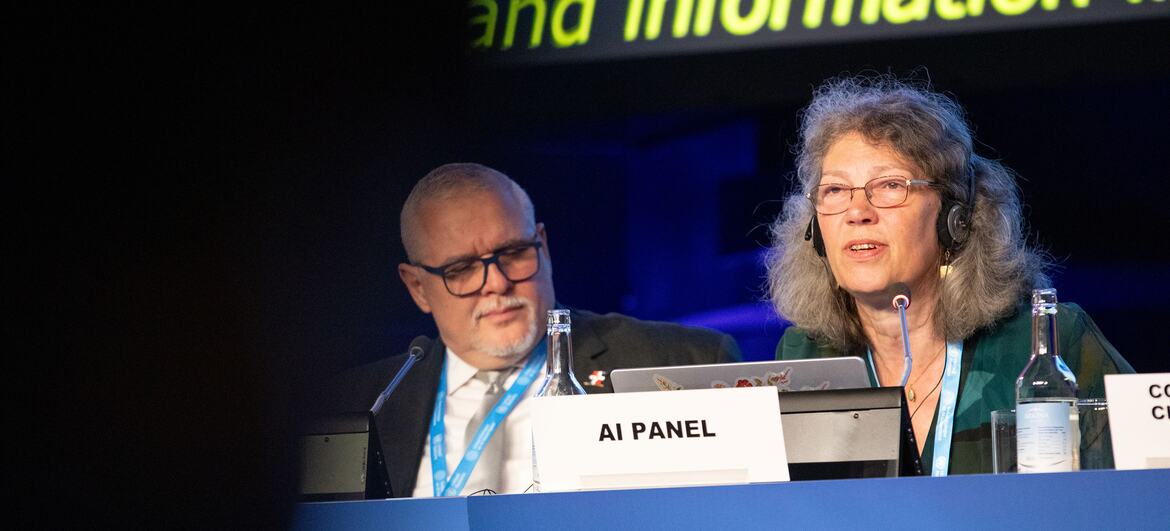
The claim under review was concise: antitrust lawsuits on one side, UN Security Council discussions on the other, and an "AI speed control" debate spreading across both. Reviewers traced the litigation track, where competition cases have become a venue for arguments about the pace of AI development, and the diplomatic track, where the Security Council — the UN body charged with international peace and security — has taken up artificial intelligence. The review's asset file documents the UN side with primary United Nations media material: a UN photograph credited to UN Photo/Sonia Livingstone dated July 7, 2026, paired with a stock illustration on the AI theme dated June 29, 2026.
The judgment rested on 12 primary sources, the review's file shows. The evidence supported the claim's central architecture: competition litigation over AI and intergovernmental discussion at the UN are both documented, and both feed the same wider argument about whether the technology's speed should be restrained. The file's final judgment, recorded in Korean, rates the claim as largely factual, noting that its framing matched the documentary record on both fronts, with room for nuance in the details.
For Korea's technology industry, the spread of the speed-control debate is more than foreign news. Decisions about how fast AI may advance ripple directly into semiconductors — the memory and foundry capacity behind every LLM — and into hardware supply, from GPU allocation to the CPU and graphics card market. Korean institutions mirror the debate's two tracks: the Fair Trade Commission holds the competition-law mandate, while the Ministry of Science and ICT shapes technology policy, with the National Intelligence Service a stakeholder wherever security is raised. Companies from Samsung Electronics and SK hynix to Naver's LLM programs operate inside that regulatory current.
A rating short of full confirmation is a signal to read the sources, not a dismissal. The claim's spine — that "AI speed control" has expanded from antitrust lawsuits to the Security Council — holds. What remains for readers to weigh is emphasis: how formal the Council's engagement has been at any given moment, and how much of the court-based debate concerns speed itself rather than market power. The review's 12 primary sources are the place to start.
On the claim that the "AI speed control" debate has spread from antitrust lawsuits all the way to United Nations Security Council discussions, the desk's final judgment is: Mostly True.