AI · SEMICONDUCTOR · FACT CHECK
 SKD WIRE
True
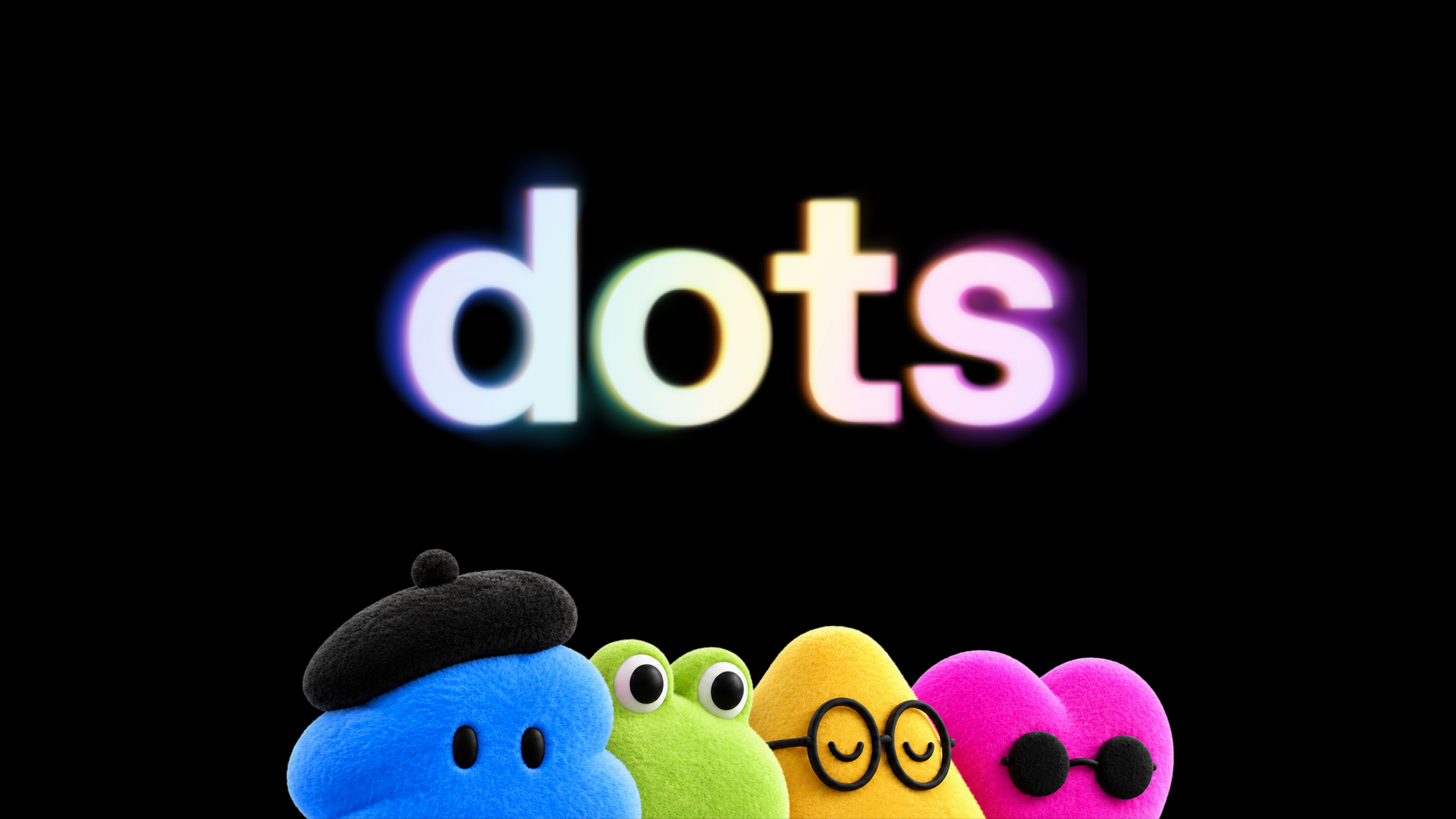
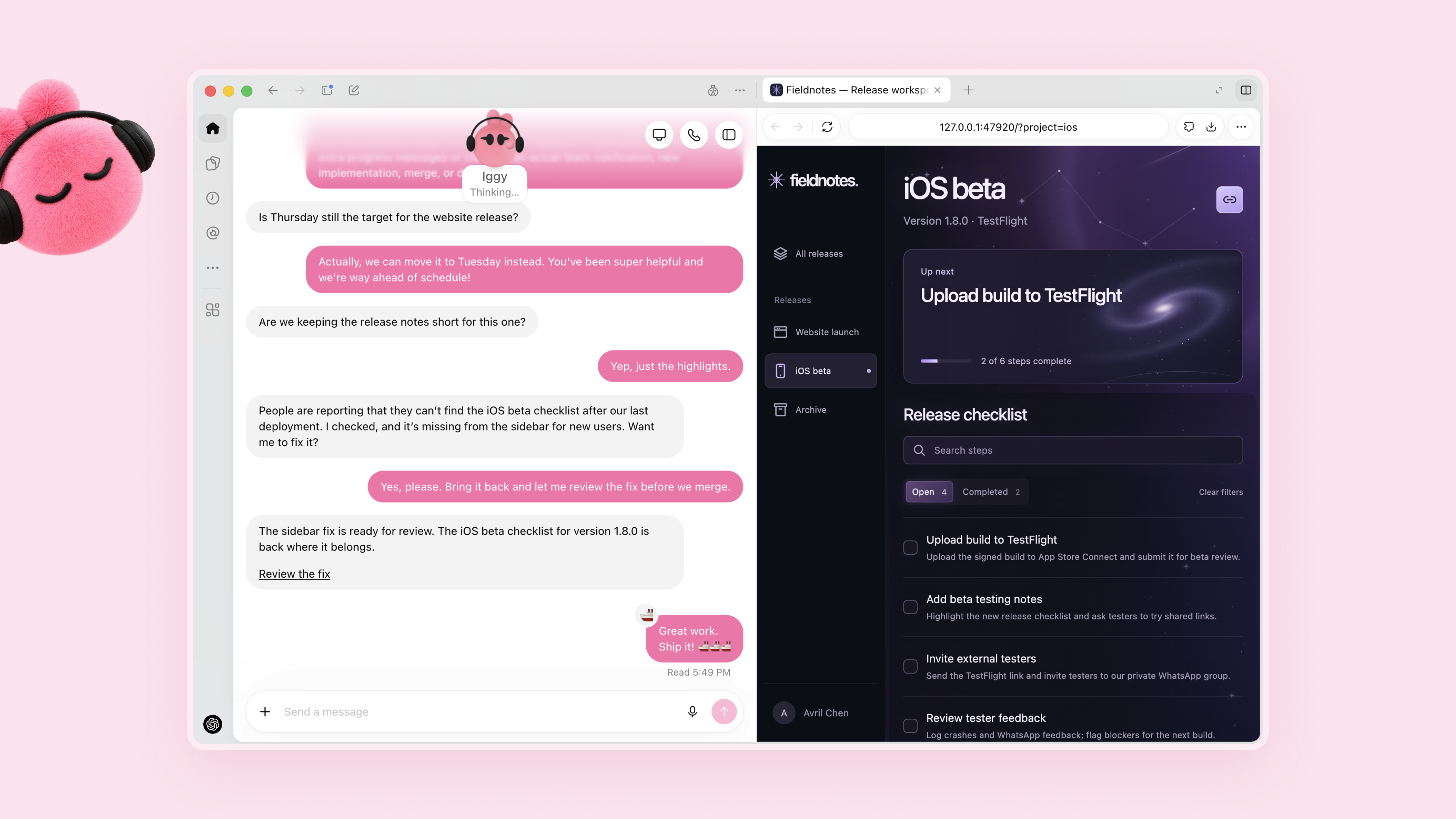
OpenAI has introduced "Dot," an autonomous AI agent built to carry out tasks on a user's behalf rather than simply respond to prompts, marking a step in the company's push toward agentic AI that operates independently of continuous human input.
Dot is positioned by OpenAI as a system that can perform autonomous work — executing multi-step tasks in place of the user — rather than functioning as a conventional chatbot. The announcement was made through the company's official channels, accompanied by a set of promotional images, including a 16:9 landscape art card and a DevDay blog art card published on OpenAI's content platform.
The introduction of Dot aligns with the broader direction OpenAI laid out at its developer conference, where agentic capabilities — AI systems that plan and execute tasks with minimal supervision — featured prominently in the company's messaging to developers.
Details of the release stem directly from OpenAI's first-party materials: the company's blog art cards and the "Introducing Dot" image assets published alongside the announcement. No contradictory primary-source evidence has surfaced regarding the nature or existence of the product.
What remains unclear from the materials reviewed is the precise scope of Dot's capabilities — the announcement imagery confirms the product's existence and its positioning as a human-substitute agent, but specific performance benchmarks, pricing, and availability timelines were not detailed in the primary assets.
OpenAI's framing of Dot as an agent that works "instead of people" signals the company's continued pivot from conversational AI toward systems that can independently complete work assignments. This places OpenAI in direct competition with other major AI developers racing to ship autonomous agents capable of handling real-world tasks end to end.
For Korea's AI and developer community, the release adds weight to the growing expectation that agent-based products — rather than chat interfaces — will define the next phase of commercial AI deployment.
The claim that OpenAI has unveiled Dot, an agent that works in place of humans, is True.