AI · SEMICONDUCTOR · FACT CHECK
 SKD WIRE
Mostly True
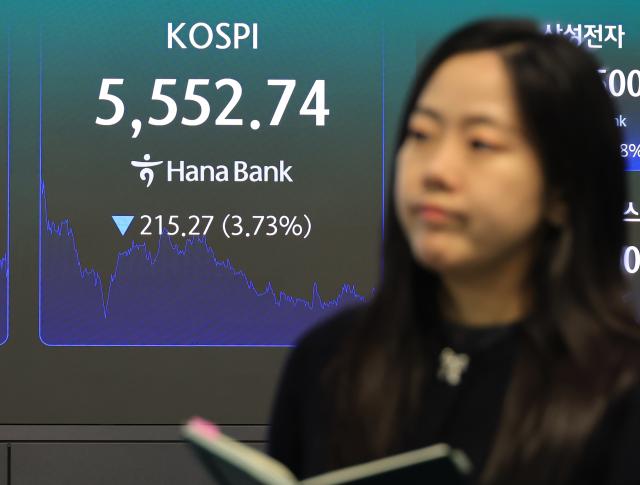
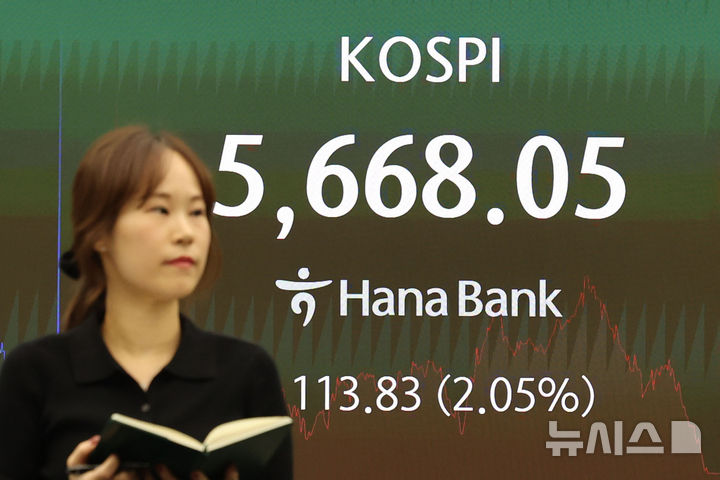
South Korean retail investors invested a gross total of roughly 8 trillion won in semiconductor leveraged exchange-traded products during a period in which related shares fell 43 percent, according to the figures cited in the original report. The headline figure refers to gross buying volume and should not be confused with net purchases, which stood at 3.7 trillion to 5.4 trillion won over the same stretch.
The 8 trillion won figure reflects the total amount deployed into semiconductor leveraged products, not the net position taken on by retail investors. Net buying during the period is estimated at between 3.7 trillion and 5.4 trillion won. The distinction matters because gross figures can overstate the scale of new money entering the market, as repeated purchases by the same investors inflate the total.
The 43 percent decline in the underlying semiconductor shares amplified losses for holders of leveraged products, which magnify daily price movements. Retail investors who bought into leveraged instruments during the downturn faced outsized losses relative to the underlying index or stock.
The report drew on 10 primary sources. The precise breakdown between the gross and net figures remains an approximation, and the lower and upper bounds of the net buying estimate reflect uncertainty in the underlying data.
The episode highlights the risks Korean retail investors take on when using leveraged products to chase volatility in the semiconductor sector, where sharp swings in memory and chip stocks can rapidly erode leveraged positions.
The claim that retail investors poured a gross 8 trillion won into semiconductor leveraged products amid a 43 percent share price collapse is accurate as a gross total, though the figure risks confusion with the smaller net buying amount of 3.7 trillion to 5.4 trillion won, making the overall finding Mostly True.