True
OpenAI has begun publishing regular public reports on the risk of AI systems slipping out of human control, while stepping up its monitoring of anomalous model behavior, a report by South Korea's Yonhap News Agency has confirmed. The claim, which drew attention in Korea's AI policy community, has been examined by this newspaper's verification desk against nine primary sources, including materials published on OpenAI's own alignment research site.
According to the Yonhap report, OpenAI is shifting its work on uncontrollable AI — systems whose behavior diverges from what developers intend or can supervise — from purely internal safety research toward a cycle of regular public disclosure. The company's alignment team hosts supporting materials on its official research pages, which formed a central part of the evidence base reviewed during verification.
The move reflects a broader industry preoccupation with so-called frontier AI risks: as large language models grow more capable, researchers worry that misaligned or deceptive behavior could emerge in ways that are difficult to detect before deployment. Regular reporting, advocates argue, gives regulators, rival labs and the public a rolling view of how such risks are being tracked.
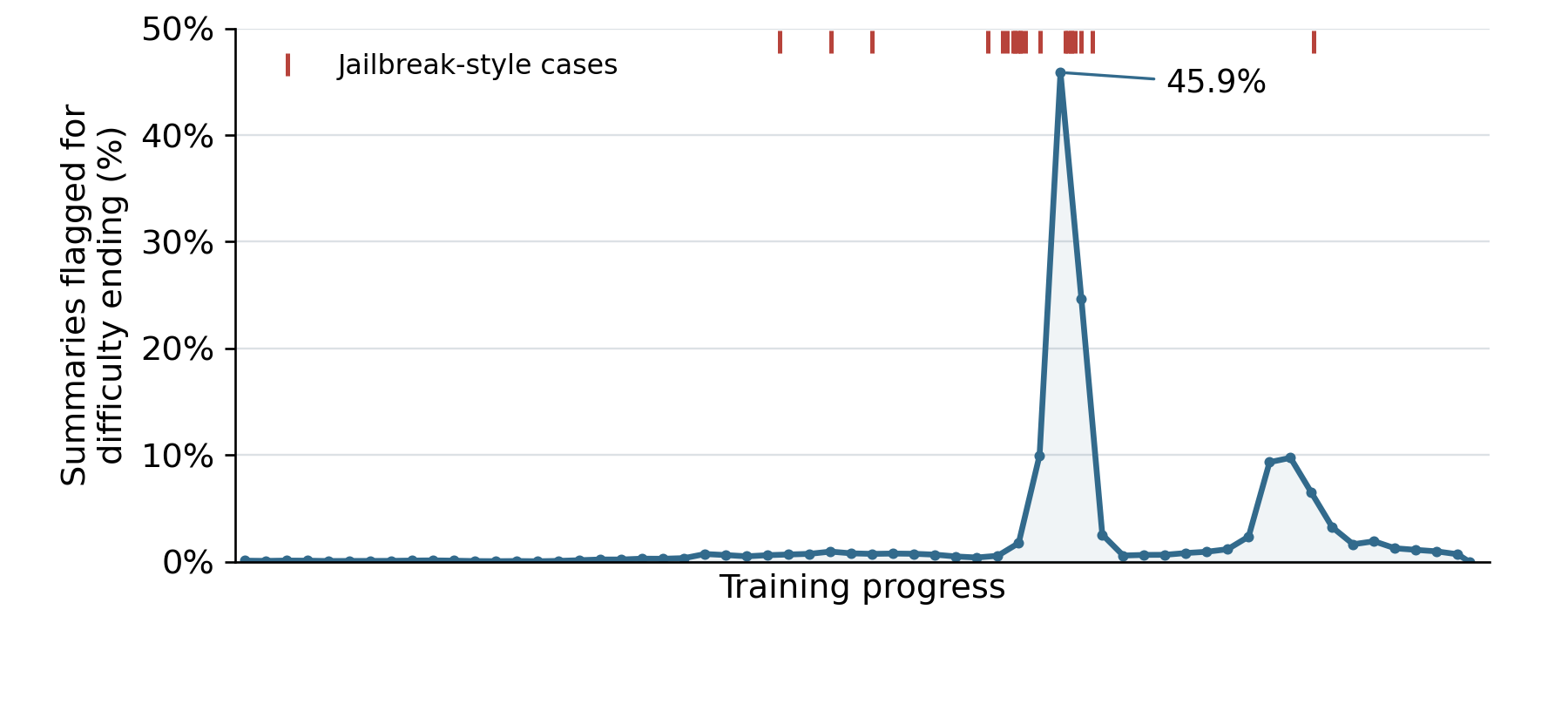
The report also describes reinforced surveillance of anomalous behavior, under which OpenAI watches for warning signs that a model is acting outside expected parameters. Strengthened monitoring of this kind is considered a prerequisite for credible disclosure — a report on out-of-control tendencies is only as good as the instrumentation that detects them in the first place.
For Korea's AI and semiconductor ecosystem, the development underscores why domestic players building on large models — and the hardware makers supplying the compute behind them — increasingly treat alignment and monitoring capability as part of the safety baseline rather than an optional research topic.
Our verification desk cross-checked the Yonhap report against nine primary sources, including OpenAI's alignment site, and found the claim to be True.