True
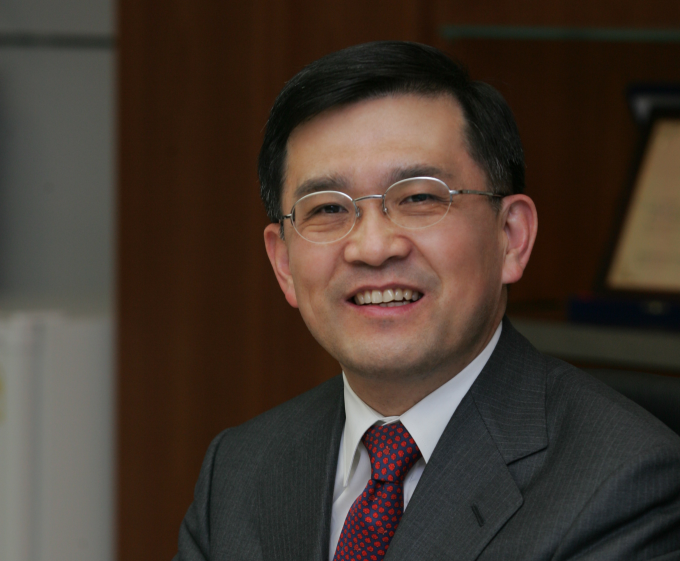
Kwon Oh-hyun, the former Samsung Electronics vice chairman widely known as the architect of Korea's semiconductor "super gap" strategy, has been appointed chairman of the board of trustees at the Korea Advanced Institute of Science and Technology (KAIST), placing one of the country's most prominent chip industry figures at the head of its leading science and engineering university.
Kwon built his career at Samsung Electronics, where he led the semiconductor business and rose to the position of vice chairman before leaving the company. He became closely identified with the idea that Korean chipmakers should hold not just an advantage over global rivals but a "super gap" — a decisive, multi-generational technology lead — a phrase that became shorthand for the country's dominance in memory chips and its broader semiconductor ambitions.
That association was strong enough that in Korean industry circles he has been referred to simply as the semiconductor "super gap" figure, the moniker attached to his name in coverage of the appointment.
The board chairman is the highest governance post at KAIST, a government-funded research university that operates under the oversight of the Ministry of Science and ICT. The position carries responsibility for the institution's long-term direction and major administrative decisions, making it one of the most influential roles in Korean academia.
Kwon's appointment places a veteran semiconductor executive in that seat at a time when chips have become a defining issue for Korea's economy and national strategy, and when universities are under pressure to produce the engineering talent the industry demands. KAIST has long stood at the center of that pipeline, and its board now includes an executive who spent his career on the front lines of the technology the school teaches.
The claim that semiconductor "super gap" figure Kwon Oh-hyun has been appointed chairman of the KAIST board of trustees is True.