AI · SEMICONDUCTOR · FACT CHECK
 SKD WIRE
True
Google has introduced a feature that lets users run AI "vibe coding" apps privately, allowing code generated through natural-language prompts to be executed without being made publicly accessible. The capability was announced through Google's official blog.
The new private execution feature targets the growing practice of "vibe coding," in which users describe an app in everyday language and have AI generate working code. Until now, apps built this way were typically shared publicly; the new option lets developers test and run their creations in a private setting before deciding whether to publish.
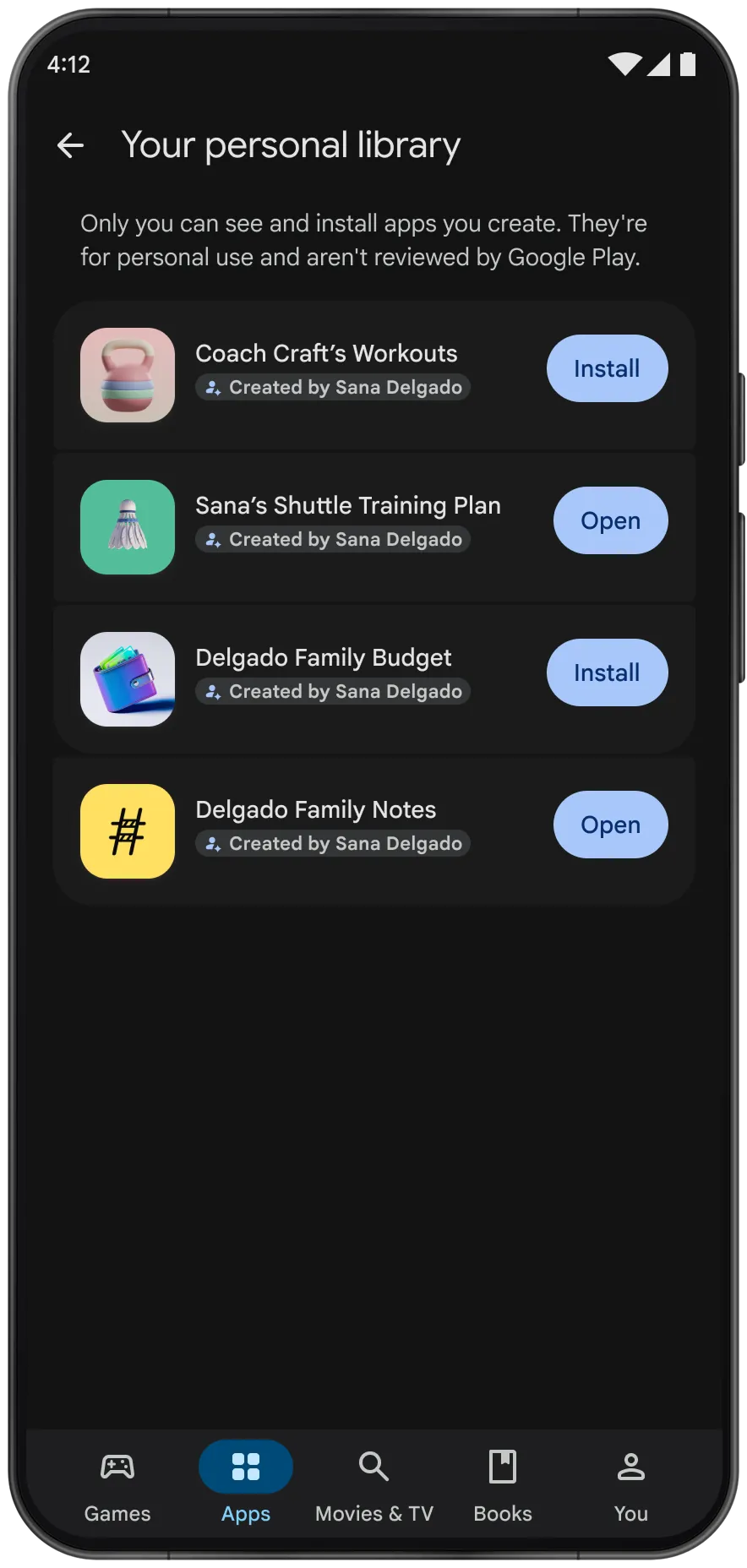
Google illustrated the announcement with images including a personal library interface and a Google Play Discover screen, suggesting the feature ties into the company's broader app ecosystem. Further technical details on how private execution integrates with Play distribution remain limited in the available information.
The move reflects Google's continued effort to lower the barrier to app development by leaning on AI generation tools. Private execution addresses a common concern among casual developers and prototypers: the desire to iterate on an AI-generated app without exposing an unfinished product to the public.
Google has not announced a full rollout timeline in the information available, and details such as platform availability or usage limits were not specified.
The claim that Google has introduced a private execution feature for AI 'vibe coding' apps is True.