Mostly True
A Korean-language claim now circulating in education and AI coverage — that university students increasingly look to AI for ready-made answers in place of studying, and that MIT research has flagged the habit as a trigger of "cognitive debt" — has been put through a source-by-source review. Twelve primary sources were examined, and because the original article sits behind a subscription wall, its full text was cross-confirmed against a freely accessible reprint carried by GV Wire. The central assertion held; the sweeping framing around it proved softer.
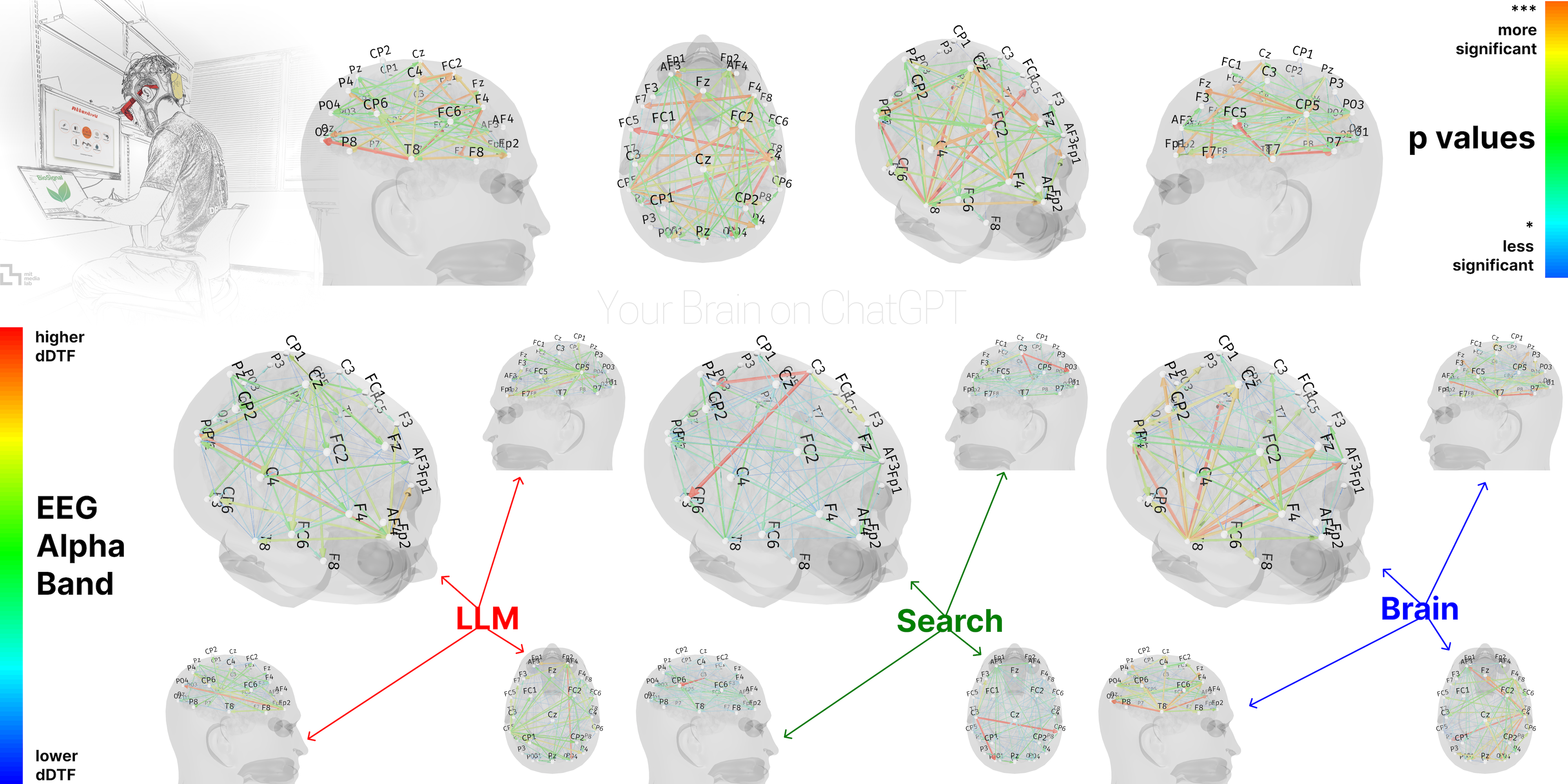
The headline — "공부 대신 AI로 답 찾는 대학생들…MIT '인지적 항복 촉발'" — translates as college students finding answers with AI instead of studying, with MIT research said to spark "cognitive surrender." The phrase maps to the concept MIT researchers call cognitive debt: the learning cost of offloading thinking to an AI assistant. In short, the claim is that AI answers are displacing study on campus, and that MIT has put a name to the damage.
The original article could not be read directly; it is walled off behind a paid subscription. Its body text was therefore cross-confirmed against a free reprint distributed by GV Wire, and that account was reconciled with the 12 primary sources before any judgment was drawn. Reporting was confined to material that could be verified on the record, and no figures were added beyond what the sources support.
The core of the claim is corroborated: students turning to AI for answers instead of studying, and MIT research warning of cognitive debt, are both central to the record. What keeps the rating short of a clean pass is degree — the headline's breadth runs ahead of the narrower, caveated findings in the underlying material. The bottom line: the claim is Mostly True.