Mostly True
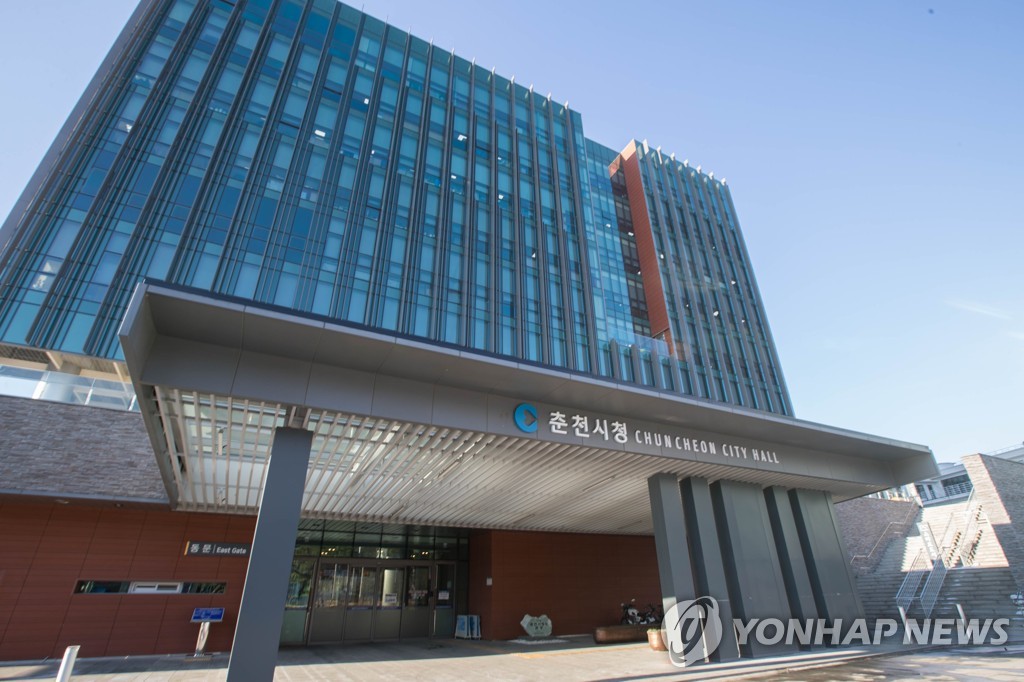
Chuncheon City has introduced artificial intelligence across municipal operations, applying the technology to tasks that range from routine parking management to disaster prediction, according to the city's official press release. The move places the Gangwon Province capital among Korean local governments working to embed AI into everyday public services.
The city's announcement describes AI adoption at both ends of the municipal service spectrum. On one side sits parking management — one of the most frequent points of contact between a city government and its residents, and an area where local authorities have long sought greater efficiency. On the other sits disaster prediction, a safety-critical function where earlier and more accurate forecasting can directly affect residents' wellbeing.
The breadth of the deployment is the notable element of the announcement. Rather than piloting AI in a single department, the city is presenting the technology as a capability spanning both administrative housekeeping and public safety, per the press release.
Chuncheon's push reflects a broader pattern visible across Korea, where provincial and municipal governments have been turning to AI to handle repetitive administrative work and to sharpen responses to floods, wildfires and other hazards. For a regional hub city such as Chuncheon, the technology offers a way to extend the reach of a smaller municipal workforce, a constraint familiar to local governments outside the Seoul metropolitan area.
The city has framed the initiative through its official communications, with the press release serving as the primary public record of the program's scope. No independent performance figures for the parking or disaster-prediction systems have been released alongside the announcement.
Based on the city's own announcement and the supporting record, the claim that Chuncheon has introduced AI spanning parking management and disaster prediction is Mostly True.